Tích hợp Giáo dục Phát triển Kỹ năng Xanh cho Sinh viên Đại học tại Đông Nam Á
- Đặt vấn đề
Sự chuyển dịch toàn cầu hướng tới nền kinh tế trung hòa carbon đang tái định hình cấu trúc thị trường lao động tại khu vực Đông Nam Á (ASEAN). Trong điều kiện tối ưu, quá trình này có thể tạo ra 30 triệu việc làm xanh trên toàn khu vực vào cuối thập kỷ này. Tuy nhiên, cơ hội này đang đứng trước nguy cơ đình trệ do nguồn cung nhân lực không đáp ứng kịp nhu cầu thực tế. Trên bình diện toàn cầu, hiện chỉ có 1 trên 8 người lao động sở hữu ít nhất một kỹ năng xanh. Sự chênh lệch cung – cầu thể hiện rõ khi tỷ lệ tuyển dụng lao động có kỹ năng xanh cao hơn 29% so với mức trung bình của toàn lực lượng lao động. Các dự báo cho thấy, nếu không có sự can thiệp kịp thời, cứ 5 việc làm xanh thì sẽ có 1 vị trí bị bỏ trống vào năm 2030. Trong bối cảnh đó, các cơ sở giáo dục đại học tại Đông Nam Á đóng vai trò là hạt nhân chiến lược, không chỉ cung cấp kiến thức mà còn phải tái định hình chương trình đào tạo nhằm trang bị kỹ năng xanh toàn diện cho thế hệ lực lượng lao động tương lai.
2. Nhận diện “Kỹ năng xanh” và thực trạng thiếu hụt tại Đông Nam Á
Kỹ năng xanh không chỉ đơn thuần là các kỹ năng kỹ thuật liên quan đến công nghệ môi trường hay kỹ thuật đo lường lượng khí thải. Nó còn bao hàm các kỹ năng phi kỹ thuật mang tính xuyên suốt như tư duy phản biện, giải quyết vấn đề, khả năng thích ứng và tư duy hệ thống hướng tới sự bền vững. Dù vậy, thực trạng thị trường lao động hiện nay cho thấy một sự chênh lệch lớn. Tại Đông Nam Á, thông qua các cuộc khảo sát với hơn 12.000 nhà tuyển dụng , kết quả cho thấy mặc dù sinh viên tốt nghiệp được đánh giá cao về đạo đức tinh thần làm việc nhóm, họ lại thiếu hụt đáng kể nhận thức về môi trường và tư duy phản biện. Sự thiếu hụt này mang lại rủi ro lớn, nhưng đồng thời cũng là cơ hội kinh tế khổng lồ. Các phân tích chỉ ra rằng, việc thu hẹp khoảng cách giữa giáo dục và nhu cầu của thị trường lao động đối với các kỹ năng tương lai (bao gồm kỹ năng số và kỹ năng xanh) có thể tạo ra thêm gần 900 tỷ USD giá trị kinh tế cho khu vực ASEAN vào năm 2035.
3. Thực tiễn triển khai
Nhận thức được tính cấp thiết của vấn đề, ASEAN đã và đang triển khai nhiều khuôn khổ pháp lý và chương trình hành động. “Kế hoạch Công tác Thanh niên ASEAN 2021-2025” được định hình dựa trên 5 lĩnh vực ưu tiên cốt lõi bao gồm (1) Giáo dục, (2) Sức khỏe và Thể chất, (3) Việc làm và Cơ hội, (4) Tham gia và Gắn kết xã hội, (5) Nhận thức, Giá trị và Bản sắc ASEAN. Kế hoạch đặc biệt nhấn mạnh việc trao quyền cho các nhà lãnh đạo và tổ chức thanh niên để dẫn dắt các dự án giải quyết vấn đề trong nền kinh tế xanh. Với cấu trúc 5 ưu tiên cùng yêu cầu thu hẹp khoảng cách giữa “Giáo dục” và “Việc làm”, một đòi hỏi tất yếu là thanh niên ASEAN cần được trang bị hệ thống kỹ năng của thế kỷ 21 để sẵn sàng thích ứng với tương lai.
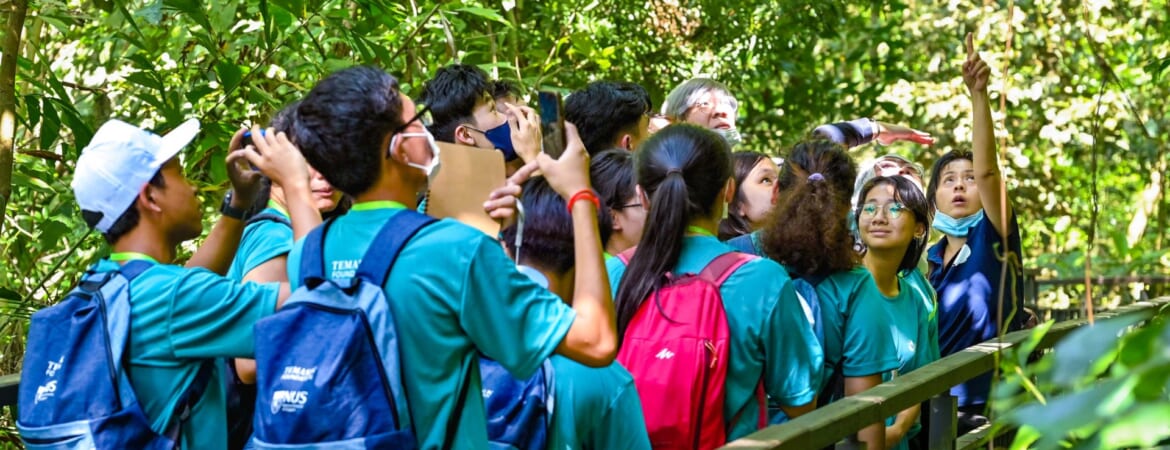
Theo đó, sự thành bại của các chính sách từ ASEAN phụ thuộc rất lớn vào khả năng của các trường đại học trong việc nắm bắt và tích hợp kỹ năng xanh vào chương trình học thuật. Giáo dục đại học không chỉ là nơi cung cấp tri thức nền tảng, mà còn đóng vai trò là bệ phóng chuyển đổi các định hướng thành năng lực thực tiễn, đảm bảo quá trình chuyển tiếp từ nhà trường sang thị trường lao động xanh diễn ra liền mạch, kiến tạo một thế hệ nhân lực đủ sức gánh vác các mục tiêu bền vững của khu vực. Ở cấp độ quốc gia, nhiều nước đã có những bước tiến pháp lý mạnh mẽ. Tại Việt Nam, Chiến lược Quốc gia về Tăng trưởng Xanh 2021-2030 đặt ra nhiệm vụ đưa nội dung tăng trưởng xanh vào các chương trình giáo dục và hoạt động đào tạo ở mọi cấp học. Điển hình là dự án GreenEdAsia do Trường Đại học Sư phạm Kỹ thuật TP.HCM (HCMUTE) điều phối, với ngân sách 800.000 Euro từ chương trình ERASMUS+, kết nối các trường Á – Âu xây dựng chương trình giảng dạy về năng lượng tái tạo và kinh tế tuần hoàn.
(Nguồn ảnh:
https://giaoducthoidai.vn/thuc-day-chuyen-doi-xanh-trong-giao-duc-dai-hoc-dong-nam-a-post719979.html)
Bên cạnh đó, dự án SETY do Viện Chính sách, Đổi mới và Khoa học Liên ngành (IPIIS) tổ chức, dưới sự tài trợ từ Quỹ Rosa Luxemburg khu vực Đông Nam Á (RLS SEA) hướng tới mục tiêu nâng cao năng lực nghiên cứu về chuyển đổi sinh thái – xã hội, phát triển cộng đồng, xã hội bền vững. Các hoạt động trao đổi, trải nghiệm trong trại hè khoa học SETY giúp thanh niên thêm tự tin và được truyền cảm hứng về kỹ năng xanh, lối sống sinh thái.
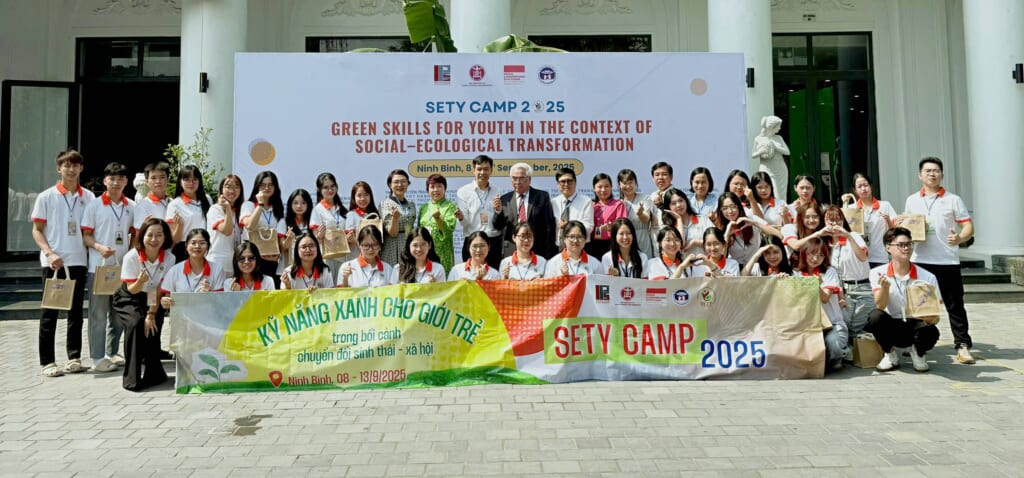
)Nguồn ảnh: https://setycamp.vn/hanh-trinh-sety-camp-2025-ky-nang-xanh-cho-gioi-tre-trong-boi-canh-chuyen-doi-sinh-thai-xa-hoi/ )
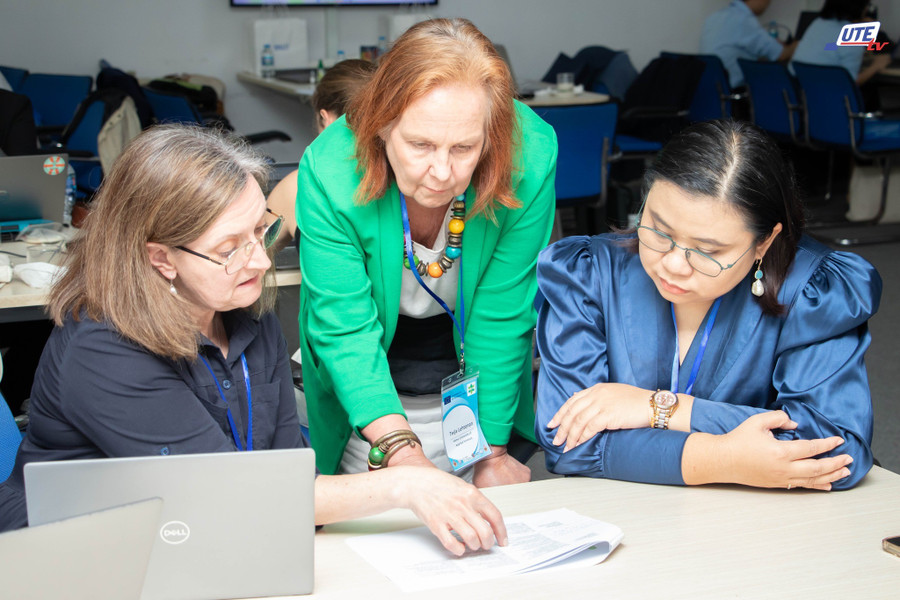
Tương tự, Thái Lan thúc đẩy mạnh mẽ mô hình kinh tế Sinh học – Tuần hoàn – Xanh (BCG) , sử dụng công nghệ và đổi mới để chuyển đổi nền kinh tế, phát triển du lịch bền vững và quản lý đại học. Đại học Mahidol đã tiên phong triển khai dự án SDGs + Mobility MaPs , tích hợp tư duy thiết kế để sinh viên tham gia thiết lập các trung tâm thực hành nông nghiệp xanh và công nghệ khí hậu sinh học cho cộng đồng. Nhờ đó, 78% sinh viên tại các đại học hàng đầu Thái Lan có mức độ hiểu biết sâu sắc về các thực hành thân thiện với môi trường nhờ sự lồng ghép bài bản vào chương trình học. Tại Malaysia, đại học Công nghệ Malaysia (UTM) thông qua dự án TUNE đã chuẩn hóa việc thiết kế các môn học bền vững dựa trên năm chỉ báo: hiệu suất môi trường, hiệu quả sử dụng carbon, đóng góp xã hội, vòng đời sản phẩm và tiềm năng việc làm xanh. Trong khi đó, Philippines là quốc gia tiên phong với Đạo luật Việc làm Xanh (Green Jobs Act) năm 2016, yêu cầu xây dựng kế hoạch phát triển nguồn nhân lực cho lĩnh vực này, đồng thời đề xuất mô hình kiểm định “Trường học Xanh Thẫm” (Dark Green Schools) với sự hậu thuẫn của Ủy ban Giáo dục Đại học (CHED).
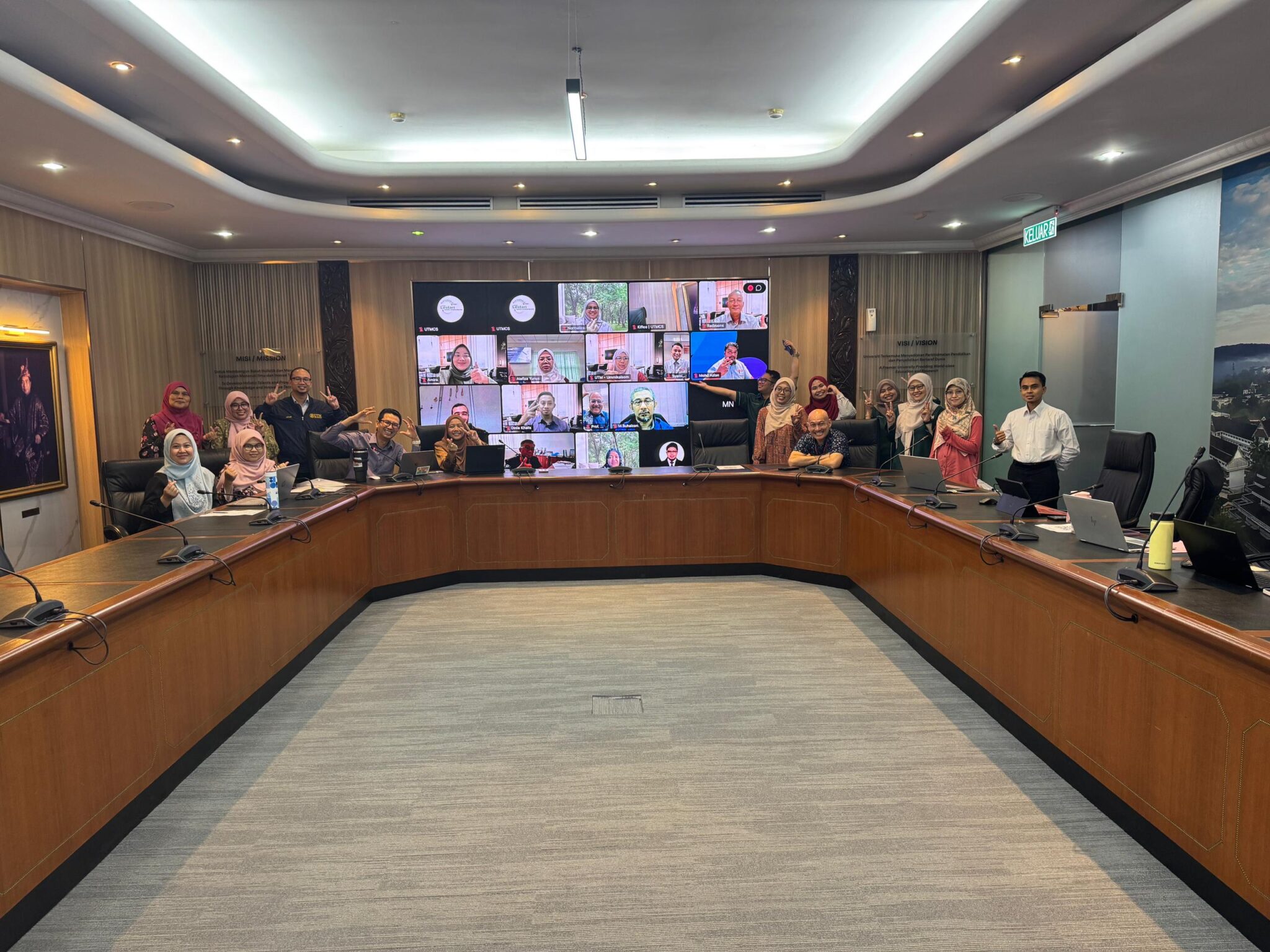
(Nguồn ảnh: https://news.utm.my/2025/11/tune-advancing-green-talent-leadership-in-higher-education/)
Bên cạnh nỗ lực nội khối, sự hợp tác quốc tế cũng đóng vai trò lực đẩy quan trọng. Điển hình là chương trình SCOPE-HE với ngân sách 9,3 triệu Euro do Liên minh Châu Âu tài trợ. Song song đó, các sáng kiến như dự án GREENSEA do Đại học Khoa học và Công nghệ Na Uy (NTNU) dẫn dắt đang hiện đại hóa cấu trúc chương trình thạc sĩ, xây dựng một thế hệ giảng viên đủ năng lực duy trì tính bền vững của dự án.
4. Kết luận
Dù đã có những tín hiệu tích cực, việc tích hợp giáo dục kỹ năng xanh tại Đông Nam Á vẫn vấp phải những rào cản như khó khăn do cấu trúc chuyên ngành phân mảnh, thiếu hụt tài chính và thiếu sự hỗ trợ từ cấp thể chế. Đặc biệt, sự mơ hồ trong các chính sách vĩ mô khiến gánh nặng đổi mới rơi xuống vai từng cá nhân giảng viên. Họ phải tự biên soạn tài liệu và vật lộn với tình trạng thiếu thốn cơ sở vật chất, dẫn đến sự thiếu đồng bộ trong chất lượng đào tạo. Giáo dục phát triển kỹ năng xanh cho sinh viên đại học tại Đông Nam Á là chìa khóa then chốt để kiến tạo một nền kinh tế khu vực thịnh vượng, bao trùm và chống chịu tốt trước biến đổi khí hậu. Mặc dù các khung chính sách đã bắt đầu thành hình và nhiều sáng kiến giáo dục đột phá đang được triển khai, chặng đường phía trước vẫn đòi hỏi sự gắn kết sâu sắc hơn nữa giữa chính phủ, khối học thuật và khu vực tư nhân. Đầu tư vào giáo dục kỹ năng xanh hôm nay chính là sự bảo chứng cho một lực lượng lao động tinh nhuệ, sẵn sàng đáp ứng những thách thức của nền kinh tế xanh vào ngày mai.
Tài liệu tham khảo:
- Albay, R. L. (2024, April 16). Invest in capacity building to plug Asia’s green jobs gap: Experts. Eco-Business.
- ASEAN Secretariat. (2022). ASEAN work plan on youth 2021–2025. The Association of Southeast Asian Nations (ASEAN).
- Centre for Campus Sustainability (UTMCCS). (2026, February 5). UTM drives regional sustainability leadership through TUNE Erasmus initiative. UTM NewsHub.
- Delegation of the European Union to ASEAN. (2025, May 14). EU strengthens EU-ASEAN research collaboration with SCOPE-HE academic connectivity grants. European External Action Service (EEAS).
- Galang, A. P. (2010). Environmental education for sustainability in higher education institutions in the Philippines. International Journal of Sustainability in Higher Education, 11(2), 173–183.
- Guha, P. (2025, March). Mind the green skills gap: The need to build tomorrow’s sustainable green economy today. Asian Management Insights. Singapore Management University (SMU).
- Ho Chi Minh City University of Technology and Engineering (HCMUTE). (2024, September 26). HCMUTE paves the way for a sustainable future through the international GreenEdAsia project.
- Lee, X., Addy, C., Thompson, R., & Farah, R. (2023). Promoting equitable and inclusive green job growth in Southeast Asia. The Bridgespan Group.
- LinkedIn. (2023). Global green skills report 2023. Economic Graph.
- Mahidol University. (n.d.). MU-SDGs case study. Global Partnerships Division, Mahidol University.
- Murtaza, K. G., & Libin, C. (2025). Challenges and strategies for integrating sustainability and environmental education in higher education. Journal of Global Research in Education and Social Science, 19(3), 323–335. https://doi.org/10.56557/jogress/2025/v19i39578
- QS Quacquarelli Symonds. (2025). How universities are shaping ASEAN’s tomorrow: The impact of higher education, skills, employability and sustainability.
- Royal Thai Embassy, Washington, D.C. (2023, December 29). Bio-Circular-Green Economic Model (BCG).
- Saengmporn, S., Boonprajak, D., Wichairat, N., Pv, E., & Chan, C. K. (2025). Green universities in Thailand: Evaluating their impact on fostering sustainable lifestyles among students. TPM, 32(S9).
- Thủ tướng Chính phủ. (2021). Quyết định số 1658/QĐ-TTg phê duyệt Chiến lược quốc gia về tăng trưởng xanh giai đoạn 2021–2030, tầm nhìn 2050. Nước Cộng hoà Xã hội Chủ nghĩa Việt Nam.
- Universitas Airlangga. (2025, December 16). UNAIR Professor awarded prestigious grant Erasmus+ GREENSEA Project. Universitas Airlangga Official Website.
- Yang, H., & Omar, M. K. (2026). Issues and challenges in adopting green skill for TVET pedagogy. Open Journal of Social Sciences, 14(3), 94–108.https://doi.org/10.4236/jss.2026.143007
English below
Integrating Green Skills Education for University Students in Southeast Asia
- Introduction
The global transition towards a net zero economy is reshaping the labor market structure in Southeast Asia (ASEAN). Under optimal conditions, this transition could create 30 million green jobs across the region by the end of the decade. However, this opportunity is at risk of stalling as the talent supply fails to keep pace with actual demand. Globally, only one in eight workers currently possesses at least one green skill. The supply-demand disparity is evident as the hiring rate for workers with green skills is 29% higher than the workforce average. Forecasts indicate that without timely intervention, one in five green jobs will be left unfilled by 2030. In this context, higher education institutions (HEIs) in Southeast Asia play a pivotal role, not only in providing knowledge but also in reshaping training curricula to equip the future workforce with comprehensive green skills.
- Identifying “Green Skills” and the Shortage in Southeast Asia
Green skills are not merely technical skills related to environmental technology or emissions measurement techniques. They also encompass transversal non-technical skills such as critical thinking, problem-solving, adaptability, and systems thinking oriented towards sustainability. Nevertheless, current labor market realities reveal a significant disparity. In Southeast Asia, surveys involving over 12,000 employers show that although graduates are highly rated for their teamwork and ethics, they consistently lack environmental awareness and critical thinking. This shortage poses a major risk, but at the same time, it presents a massive economic opportunity. Analyses indicate that aligning education with the labor market needs for future skills (including digital and green skills) could generate nearly US$900 billion in additional economic value for the ASEAN region by 2035.
- Implementation Practices
Recognizing the urgency of the issue, ASEAN has been implementing various legal frameworks and action programs. The “ASEAN Work Plan on Youth 2021-2025” is structured around five core priority areas: (1) Education, (2) Health and Well-being, (3) Employment and Opportunity, (4) Participation and Engagement, and (5) ASEAN Awareness, Values, and Identity. The plan places a particular emphasis on empowering youth leaders and organizations to spearhead projects that address challenges within the green economy. Given this five-pillar structure and the imperative to bridge the gap between “Education” and “Employment,” it is essential that ASEAN youth be equipped with a robust 21st-century skill set to ensure their future readiness.
Consequently, the ultimate success of ASEAN’s policies relies heavily on the capacity of universities to embrace and integrate green skills into their academic curricula. Higher education institutions serve as more than just providers of foundational knowledge; they act as launchpads that translate strategic orientations into practical competencies. This role ensures a seamless transition from the classroom to the green labor market, thereby cultivating a generation of human resources capable of shouldering the region’s sustainability goals. At the national level, many member states have already taken significant legal strides.
In Vietnam, the National Green Growth Strategy for the 2021-2030 period mandates the integration of green growth content into educational programs and training activities at all levels of education. A prime example is the GreenEdAsia project coordinated by Ho Chi Minh City University of Technology and Education (HCMUTE). Supported by an €800,000 budget from the ERASMUS+ program, the project bridges Asian and European universities to develop comprehensive curricula on renewable energy and the circular economy.
(Source:
https://giaoducthoidai.vn/thuc-day-chuyen-doi-xanh-trong-giao-duc-dai-hoc-dong-nam-a-post719979.html)
Additionally, the SETY project, organized by the Institute of Policy, Innovation and Interdisciplinary Sciences (IPIIS) and sponsored by the Rosa Luxemburg Stiftung Southeast Asia (RLS SEA), aims to enhance research capacity in socio-ecological transformation, community development, and social sustainability. The exchange programs and hands-on experiences offered at the SETY scientific summer camp actively inspire youth, boosting their confidence in adopting green skills and ecological lifestyles.
(Source: https://setycamp.vn/hanh-trinh-sety-camp-2025-ky-nang-xanh-cho-gioi-tre-trong-boi-canh-chuyen-doi-sinh-thai-xa-hoi/ )
Similarly, Thailand is actively promoting the Bio-Circular-Green (BCG) Economic Model, employing technology and innovation to transform its economy, develop sustainable tourism, and enhance university management. Mahidol University has pioneered the SDGs + Mobility MaPs project, integrating design thinking to engage students in establishing practice centers for green agriculture and bioclimatic technology for local communities. Consequently, 78% of students at leading Thai universities possess a high level of understanding of environmentally friendly practices thanks to the systematic integration of these concepts into the curriculum.
In Malaysia, Universiti Teknologi Malaysia (UTM), through the TUNE project, has standardized the design of sustainability courses based on five critical lenses: environmental performance, carbon and resource efficiency, societal contribution, lifecycle considerations, and green job potential. Meanwhile, the Philippines is a pioneer with the Philippine Green Jobs Act of 2016, which mandates the formulation of a human resource development plan for this sector, while also proposing the “Dark Green Schools” accreditation model backed by the Commission on Higher Education (CHED).
(Source: https://news.utm.my/2025/11/tune-advancing-green-talent-leadership-in-higher-education/)
Besides intra-regional efforts, international cooperation also plays a crucial driving role. A prime example is the SCOPE-HE programme, funded by the European Union with a budget of 9.3 million Euros. Concurrently, initiatives such as the GREENSEA project, coordinated by the Norwegian University of Science and Technology (NTNU), are modernizing master’s degree curricula, thereby building a generation of educators capable of maintaining the project’s sustainability.
- Conclusion
Despite positive signals, the integration of green skills education in Southeast Asia still encounters systemic barriers, including difficulties caused by departmental silos, insufficient funding, and a lack of institutional support. In particular, the ambiguity in macro-level policies shifts the burden of innovation squarely onto the shoulders of individual educators. They must develop their own teaching materials and struggle with a lack of facilities, leading to inconsistencies in training quality.
Developing green skills education for university students in Southeast Asia is the key to forging a regional economy that is prosperous, inclusive, and resilient to climate change. Although policy frameworks have begun to take shape and numerous groundbreaking educational initiatives are underway, the road ahead still demands deeper cohesion among governments, academia, and the private sector. Investing in green skills education today is the ultimate guarantee for a highly skilled workforce, ready to meet the challenges of the green economy tomorrow.
Reference:
- Albay, R. L. (2024, April 16). Invest in capacity building to plug Asia’s green jobs gap: Experts. Eco-Business.
- ASEAN Secretariat. (2022). ASEAN work plan on youth 2021–2025. The Association of Southeast Asian Nations (ASEAN).
- Centre for Campus Sustainability (UTMCCS). (2026, February 5). UTM drives regional sustainability leadership through TUNE Erasmus initiative. UTM NewsHub.
- Delegation of the European Union to ASEAN. (2025, May 14). EU strengthens EU-ASEAN research collaboration with SCOPE-HE academic connectivity grants. European External Action Service (EEAS).
- Galang, A. P. (2010). Environmental education for sustainability in higher education institutions in the Philippines. International Journal of Sustainability in Higher Education, 11(2), 173–183.
- Guha, P. (2025, March). Mind the green skills gap: The need to build tomorrow’s sustainable green economy today. Asian Management Insights. Singapore Management University (SMU).
- Ho Chi Minh City University of Technology and Engineering (HCMUTE). (2024, September 26). HCMUTE paves the way for a sustainable future through the international GreenEdAsia project.
- Lee, X., Addy, C., Thompson, R., & Farah, R. (2023). Promoting equitable and inclusive green job growth in Southeast Asia. The Bridgespan Group.
- LinkedIn. (2023). Global green skills report 2023. Economic Graph.
- Mahidol University. (n.d.). MU-SDGs case study. Global Partnerships Division, Mahidol University.
- Murtaza, K. G., & Libin, C. (2025). Challenges and strategies for integrating sustainability and environmental education in higher education. Journal of Global Research in Education and Social Science, 19(3), 323–335. https://doi.org/10.56557/jogress/2025/v19i39578
- QS Quacquarelli Symonds. (2025). How universities are shaping ASEAN’s tomorrow: The impact of higher education, skills, employability and sustainability.
- Royal Thai Embassy, Washington, D.C. (2023, December 29). Bio-Circular-Green Economic Model (BCG).
- Saengmporn, S., Boonprajak, D., Wichairat, N., Pv, E., & Chan, C. K. (2025). Green universities in Thailand: Evaluating their impact on fostering sustainable lifestyles among students. TPM, 32(S9).
- Thủ tướng Chính phủ. (2021). Quyết định số 1658/QĐ-TTg phê duyệt Chiến lược quốc gia về tăng trưởng xanh giai đoạn 2021–2030, tầm nhìn 2050. Nước Cộng hoà Xã hội Chủ nghĩa Việt Nam.
- Universitas Airlangga. (2025, December 16). UNAIR Professor awarded prestigious grant Erasmus+ GREENSEA Project. Universitas Airlangga Official Website.
- Yang, H., & Omar, M. K. (2026). Issues and challenges in adopting green skill for TVET pedagogy. Open Journal of Social Sciences, 14(3), 94–108. https://doi.org/10.4236/jss.2026.143007

Leave A Comment