SETY Camp 2026: From Youth Perspectives to Initiatives for Ecological–Social Transformation in Southeast Asia
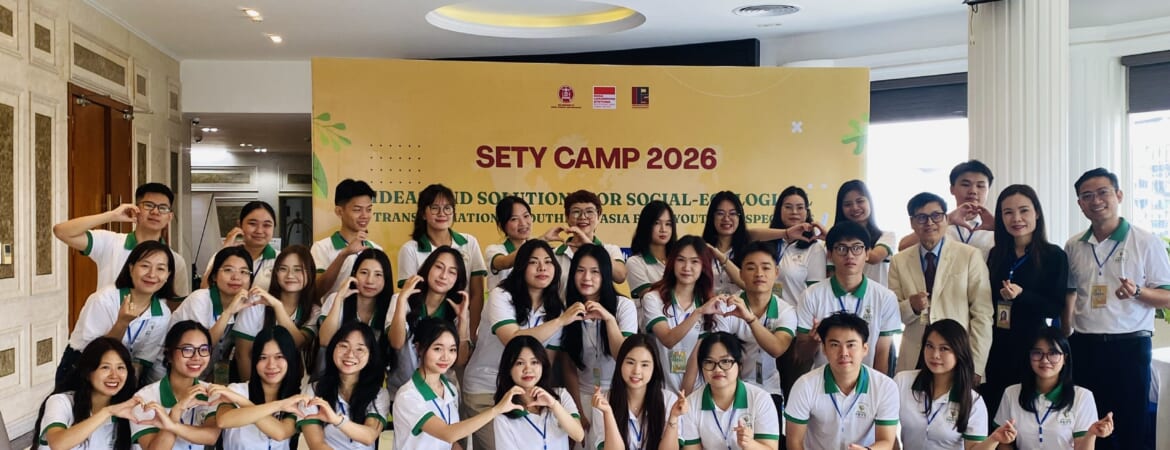
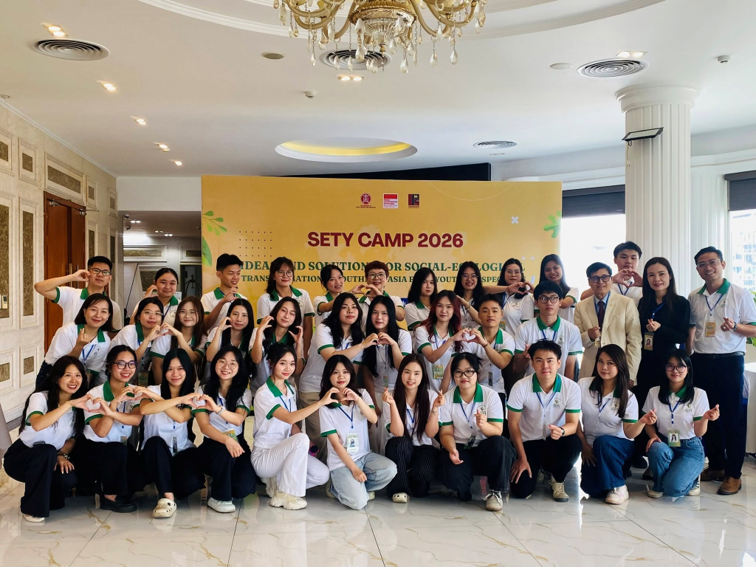
29 participants, 6 groups of ideas, and a wide range of issues spanning green skills, sustainable consumption, the circular economy, smart cities, and environmental communication. At SETY Camp 2026, the broader challenges of ecological–social transformation were explored in a space where young people did not simply listen, but actively raised questions, engaged in discussions, and gradually developed their own solutions. Under the theme “Youth Perspectives on Ideas and Solutions for Ecological–Social Transformation in Southeast Asia,” SETY Camp 2026 was organized by the Institute for Policy, Innovation and Interdisciplinary Sciences, University of Social Sciences and Humanities, Vietnam National University, Hanoi, with support from the Rosa Luxemburg Foundation Southeast Asia - Hanoi Office. The scientific summer camp brought together 29 participants from universities and high schools across Hanoi.
From Research on Socio-Ecological Transformation to a Space for Young People
SETY stands for Socio-Ecological Transformation and Youth . Building on more than 20 years of cooperation between the Institute for Policy, Innovation and Interdisciplinary Sciences and the Rosa Luxemburg Foundation in policy research on development and socio-ecological transformation, SETY has gradually evolved into a space where young people can learn, exchange ideas, and develop initiatives related to the environment and sustainable development.
Over five editions, SETY has continuously expanded its focus, from awareness and action on socio-ecological transformation, the marine environment, and the Net Zero journey to green skills and broader regional issues. At SETY Camp 2026, discussions were situated within the Southeast Asian context, where countries are simultaneously facing the demands of economic growth, the green transition, changing employment structures, and increasingly complex environmental challenges. Rather than focusing solely on a short-term learning experience, SETY also seeks to foster a community of young people who share an interest in sustainable development and socio-ecological transformation, while sustaining the connections built throughout successive editions of the camp.
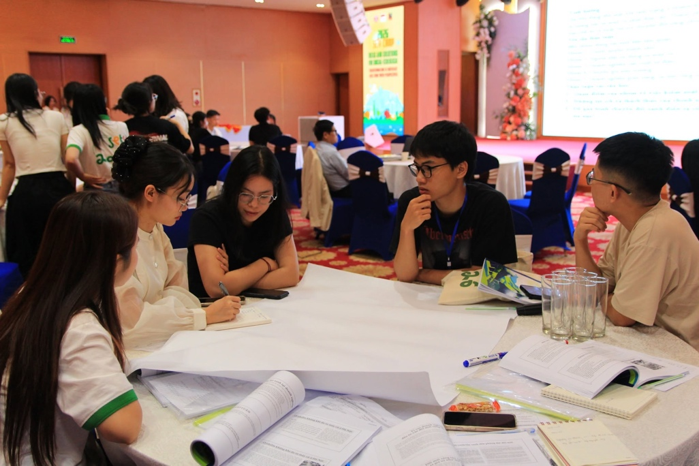
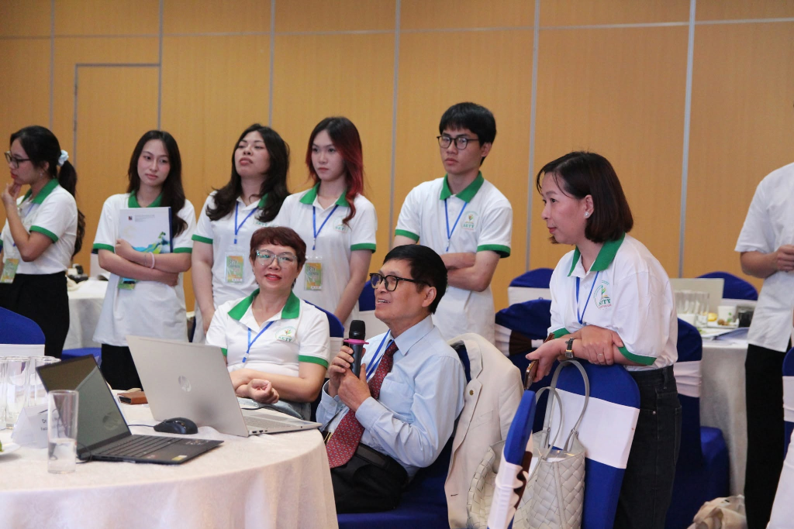
One of the most notable features of SETY Camp 2026 is the way the program connects expert knowledge, research methods, policy thinking, and practice. Rather than relying on a series of disconnected lectures, participants were guided through a learning process that began with an introduction to concepts of socio-ecological transformation and green innovation; continued with exploring and analyzing youth-led initiatives; and progressed toward developing research proposals, project ideas, and engaging with policy analysis methods. Debate sessions, roundtable discussions, and policy consultations also provided participants with opportunities to strengthen their ability to construct arguments, engage in critical thinking, and defend their perspectives.
The program was supported by scientists and experts from diverse fields, including Prof. Dr. Trương Quang Học, Dr. Bạch Tân Sinh, Dr. Hoàng Thị Ngọc Hà, Dr. Nguyễn Thị Quỳnh Anh, Dr. Nguyễn Đức Trọng, MA.Phan Xuân Thắng and Ms. Vương Hồng Ngọc. The involvement of experts from different disciplines enabled participants to approach environmental and development issues from multiple perspectives, ranging from policy, economics, and society to technology and human behavior.
Taking Learning Beyond the Classroom
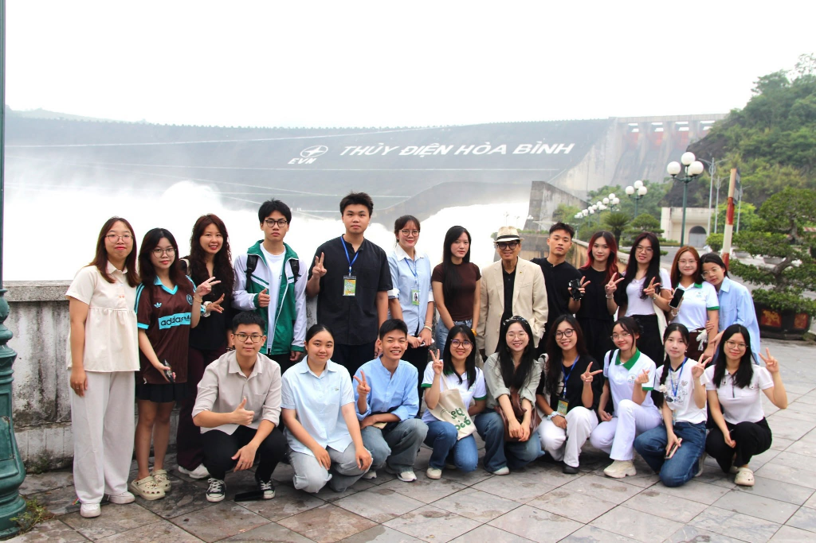
The learning experience at SETY Camp 2026 was further expanded through a field trip to the Hoa Binh Hydropower Plant. The visit provided participants with an opportunity to observe a large-scale energy infrastructure project and connect their knowledge of development, resource use, energy, and socio-ecological transformation with a real-world case. The field trip was therefore not simply a site visit, but an integral part of the learning process, allowing concepts discussed in the classroom to be examined through practical experience. Alongside this, participants were also challenged to bring academic knowledge closer to the public. Groups developed communication products and TikTok channels to present issues related to socio-ecological transformation in formats that were more accessible and engaging for young audiences. These products not only documented the participants’ experiences but also served as part of the program’s key outputs.
Six groups, Six Perspectives on Socio-Ecological Transformation
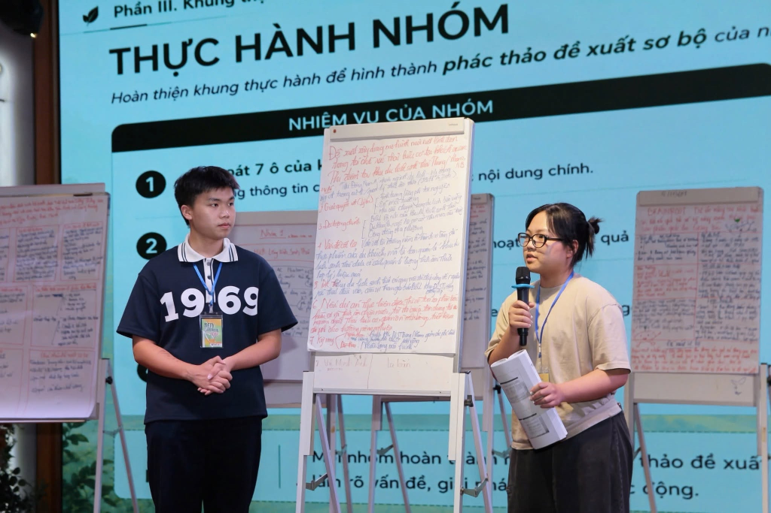
Drawing on their learning experiences and collaboration with experts, the 29 participants were divided into six groups, each exploring a different dimension of socio-ecological transformation in Southeast Asia: education and green skills for the future of work; green lifestyles and sustainable consumption; green and smart cities in the context of the dual transition; the circular economy and sustainable development policies; green innovation and youth entrepreneurship; and environmental communication and youth engagement on digital platforms. What mattered was not only the topics the groups selected, but also the process of turning an initial concern into a structured and evidence-based proposal. Each idea went through multiple stages of discussion, presentation, questioning, and critical feedback before being further refined. Starting from an initial problem, participants were required to clarify what they actually sought to address, identify relevant stakeholders, gather the necessary evidence, and assess the feasibility of potential solutions in order to develop their ideas into research outlines or project proposals. The final presentations therefore served not merely as a platform for introducing ideas, but also as an opportunity for each group to test its ability to translate knowledge into arguments and concrete proposals.
When Connections Continue Beyond the Camp
SETY’s journey did not end when the summer camp activities came to a close. Building on the connections forged throughout the program, SETY Camp 2026 took part in International Youth Day 2026, organized by the United Nations in Viet Nam, bringing stories of socio-ecological transformation to a wider community.
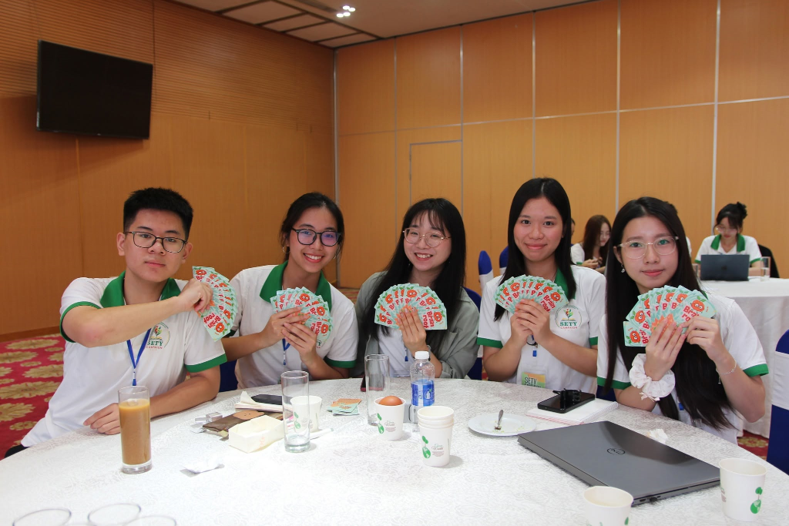
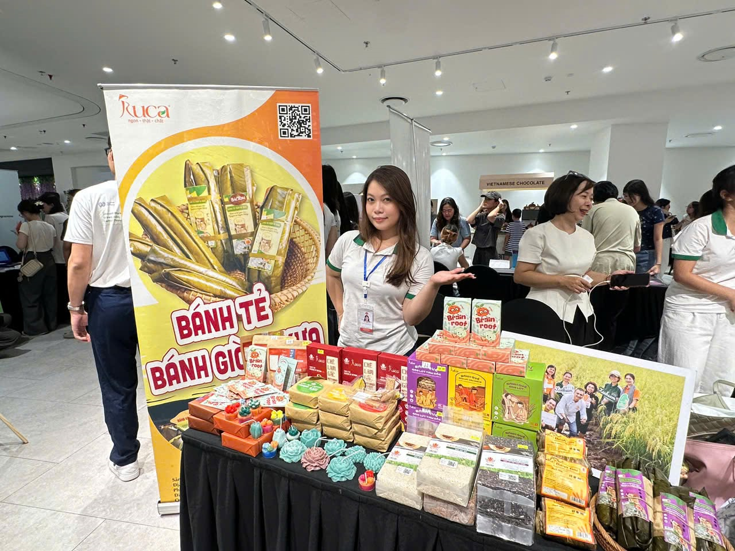
At the SETY Camp booth, the concept of socio-ecological transformation was introduced through interactive activities, creative products, and stories connected to green lifestyles and sustainable development. It also provided an opportunity for SETY to connect with a broader group of young people, share perspectives on environmental and social issues, and highlight the role of youth in the transformation process.
The presence of SETY Camp 2026 in a youth-oriented space beyond the summer camp demonstrated that the exchanges initiated during the program did not remain confined to the classroom. SETY’s products, ideas, and stories continued to reach a wider community, helping connect young people who share an interest in socio-ecological transformation and sustainable development.
When Young People Are Not Simply Called “the Future Generation”
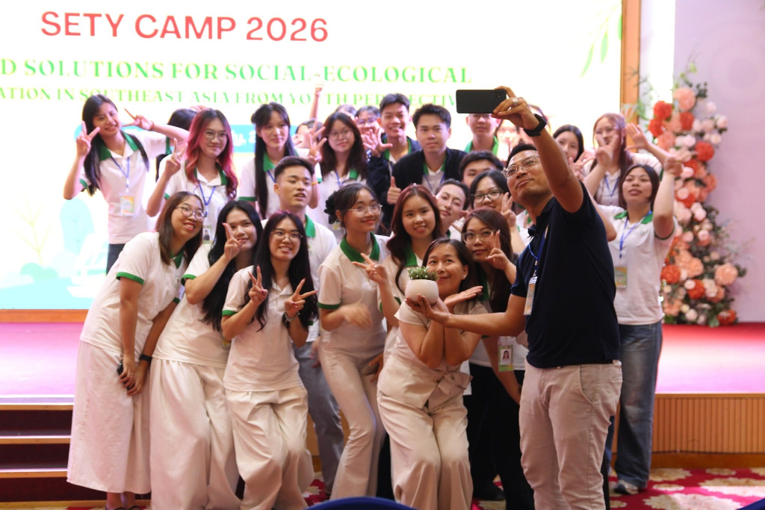
Dr. Nguyễn Thị Thùy Trang - Vice Director of the Institute for Policy, Innovation and Interdisciplinary Sciencesand Deputy Coordinator of the Project emphasized that realizing the goals of the green transition and sustainable development requires not only effective policies and technological solutions, but also the active engagement of young people, drawing on their innovative thinking, creativity, and willingness to take action. This spirit was reflected throughout SETY Camp 2026. Young people were not viewed merely as those who would benefit from or be affected by the future, but were encouraged to participate in creating change in the present. Such participation can begin with asking a research question, developing an evidence-based proposal, piloting a community initiative, or finding new ways to communicate an issue to a wider audience. With 29 participants and six groups of ideas, SETY Camp 2026 created a space for young people to learn and gradually develop their own voices on issues unfolding in Viet Nam and across Southeast Asia. For SETY, an initiative for socio-ecological transformation does not necessarily have to begin with a large-scale solution. It can begin with young people gaining a deeper understanding of the issues they care about, learning how to seek and use evidence, and gaining the confidence to bring their ideas into broader social dialogues
Leave A Comment