
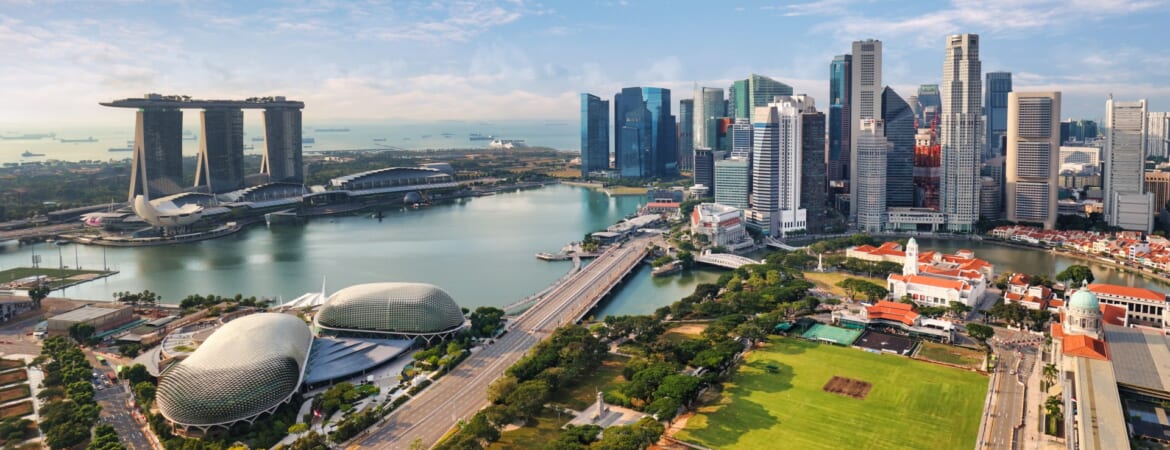
THE JOURNEY TO BECOMING A “SMART NATION” COUPLED WITH SINGAPORE'S SOCIO-ECOLOGICAL TRANSITION AND LESSONS FOR VIETNAM
The smart city model marks a profound transformation in how urban areas are formed, developed, and managed. The full realization of a smart city is not merely about deploying advanced amenities; it also requires strategic cohesion and harmony between technology, sophisticated governance, an unwavering commitment to sustainability, and deep social inclusion. Aiming to align with global sustainable development standards such as the United Nations Sustainable Development Goals (SDGs), particularly Sustainable Development Goal 11 on sustainable cities and communities, successful smart cities of the future will be those that not only adopt advanced technology but also prioritize comprehensive governance, environmental sustainability, and truly put people at the center of development, transforming urban spaces into smarter, more livable, and more sustainable environments for future generations.
Singapore’s journey to becoming a “Smart Nation” carries similar significance, serving as an intelligent solution to the unique challenges of the island nation, such as its small size, limited natural resources, high population density, and stressed infrastructure. The first foundation of this journey was laid in the 1980s with the “Civil Service Computerisation Programme,” which was later upgraded by a series of strategic plans: IT 2000, Integrated Government action plans 2010, and e-Government 2015. However, the biggest turning point occurred in late 2014 with the launch of the “Smart Nation” initiative—a comprehensive transformation across all facets of urban life with the goal of improving citizens' lives and creating new economic opportunities. On October 1, 2024, Singapore officially launched the Smart Nation 2.0 program—a comprehensive upgrade of the digital transformation strategy from a decade ago, with over $1 billion invested specifically in artificial intelligence.

(Source: https://www.smartnation.gov.sg/about/our-vision/smart-nation-vision/)
Singapore's pioneering position in establishing itself as a global smart city is clearly demonstrated by prestigious international indices, as the island nation consistently held the 3rd position in the United Nations E-Government Development Index 2024 and maintained its presence in the top 10 smartest cities on the planet according to the IMD Smart City Index 2025 report. These are just two of countless outstanding achievements across various sectors in Singapore's pursuit of the smart city model, from establishing strategic, nation-wide digital infrastructure to implementing a range of multi-sector smart services that deeply intervene in daily life. This article focuses on exploring the positive effects of strategizing the smart city model on Singapore's socio-ecological transition process.
It can be said that the strategization of the smart city model and the socio-ecological transition process in Singapore have never been two separate stories, as the strategization of the smart city model has become the core launchpad helping Singapore gradually realize its comprehensive sustainable development vision by integrating big data, artificial intelligence (AI), and the Internet of Things (IoT) sensor network to systematically optimize resources.
In the digital government sector, the highlight is Singpass—the National Digital Identity platform, which acts as the “master key” for authenticating legal identity in the digital space, using Singpass Face Verification technology to check for liveness and protect citizen accounts. Currently, Singpass securely connects with over 700 public and private services; from filing taxes, paying fines, checking social security funds, to opening a bank account in minutes, signing insurance contracts, buying/selling digital real estate, and registering for telecommunication services without hard-copy documents. With a more specialized scope of connection, the LifeSG application consolidates essential government services for citizens, designed around “life events” (childbirth, job search, retirement, etc.). Citizens do not need to know which agency manages the service; they only need to search based on their actual needs. Furthermore, GoBusiness with its core “one-stop shop” feature and the ability to integrate the Business Grant Portal has fully digitized the interaction process between businesses and the Government. Such digital government initiatives are not merely tools to optimize administrative procedures, but also bring positive impacts to the socio-ecological transition process. These initiatives directly reduce the carbon footprint and optimize society's overall resources by limiting the use of paper and physical documents in workflows, as well as minimizing transportation emissions.

(Source: https://www.tech.gov.sg/products-and-services/for-citizens/digital-services/singpass/)
The transport sector also records clear green shifts thanks to the smart Electronic Road Pricing system, which operates based on GPS sensors, automatically adjusts fees in real-time according to vehicle density to reduce congestion and cut emissions, and the development model of Autonomous vehicles that optimizes operational efficiency and adapts to a rapidly aging society. Concurrently, the OneMotoring portal of Singapore's Land Transport Authority (LTA) allows citizens and vehicle owners direct access to real-time data systems including: live camera maps monitoring traffic jams on expressways, the availability status of large parking lots, and managing one-stop procedures for road tax payment/vehicle registration. This is a core component of the Intelligent Transport System (ITS)—a technology network that collects data to create a dynamic, real-time picture of the ebb and flow of residents in daily life. ITS uses sensors, control and traffic systems, along with data analytics, to maximize the operational efficiency of the road network, monitor and manage traffic flow, make roads safer, and contribute to data-driven urban planning. Based on a joint report by the C40 Cities Climate Leadership Group and Siemens, ITS has helped Singapore become one of the major cities with the lowest traffic congestion rates, with the average car speed on main roads being 27km/h, compared to an average speed of 16km/h in London and 5km/h in Jakarta.
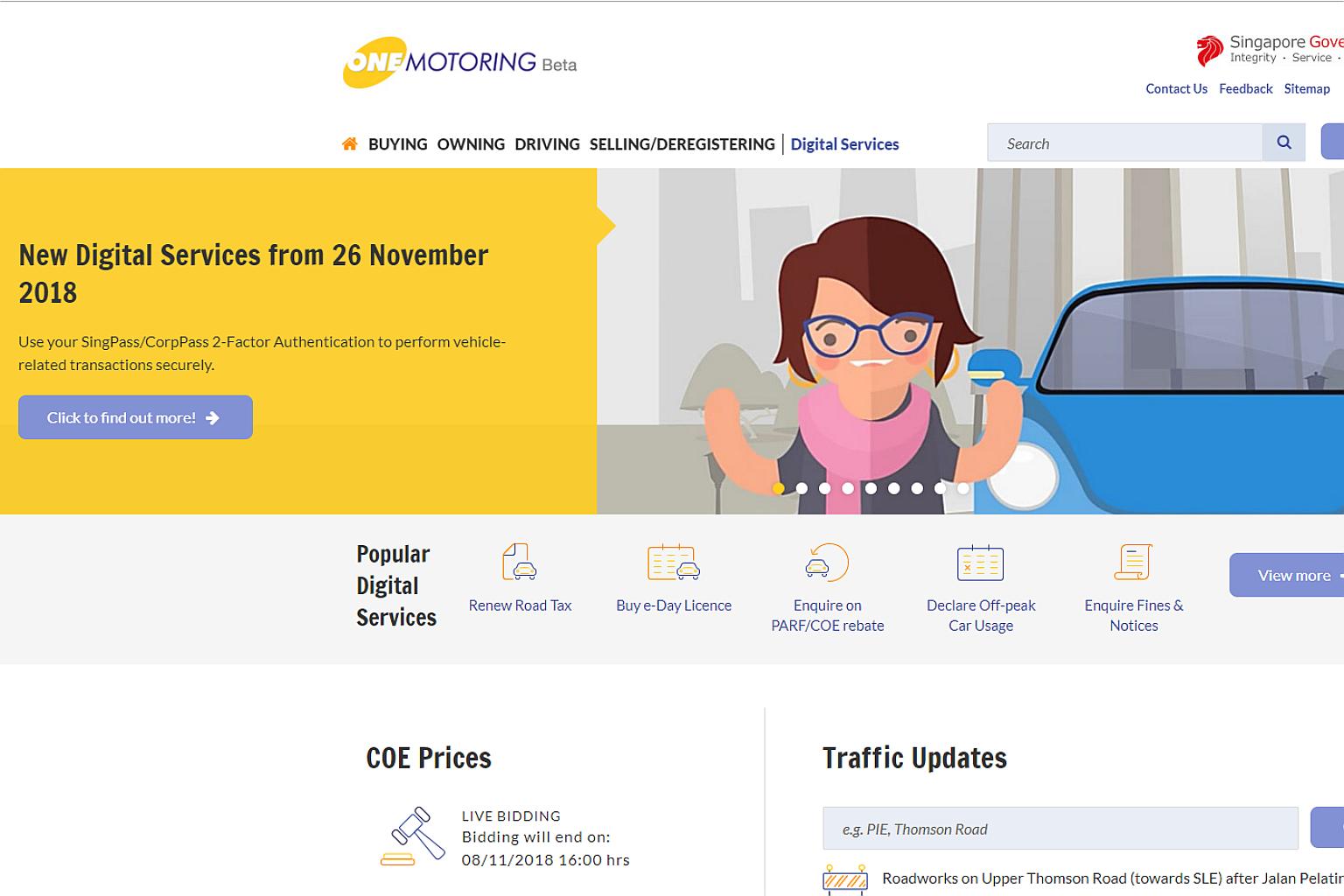
(Source: https://www.straitstimes.com/singapore/transport/more-service-options-for-vehicle-owners-on-revamped-onemotoring-site)
In energy and building management, Singapore utilizes the Integrated Environmental Modeller (IEM) digital simulation tool to analyze wind flow and solar radiation, thereby planning buildings to maximize wind capture and naturally reduce the urban heat island effect. For digital infrastructure, the Infocomm Media Development Authority (IMDA) successfully deployed an AI-controlled liquid cooling system for tropical region data centers, optimizing electricity usage efficiency and saving up to 40% of hardware operating energy.
In resource, environment, and circular urban management, Singapore has established a tight monitoring ecosystem by adopting the National Sensor Platform as the infrastructure axis for massive urban data collection. From this launchpad, the National Water Agency implemented the widespread Smart Water Meter system which automatically transmits consumption data to a mobile application; this solution helps both citizens and managers immediately detect hidden leaks deep within underground pipes and effectively prevent water loss. Parallel to water resource optimization, the Singapore Government has tightened the link between citizens and the living environment through the integrated “all-in-one” mobile application called myENV – a strategic collaboration between the National Environment Agency and the Ministry of Sustainability and the Environment. This digital platform allows residents to proactively respond to climate change with features such as real-time weather forecast updates, disaster warnings (like thunderstorms, high tides, fog), tracking canal water levels to warn of localized flooding, while continuously monitoring air quality through the PSI pollution index and PM2.5 fine dust concentration hourly.
Finally, in the field of nature conservation and green community engagement, the online platform and interactive map TreesSG, developed by the National Parks Board (NParks), allows users to explore the island nation's entire urban tree network, looking up detailed information from species, size, to the care and conservation process of each specific tree through its interactive green map feature. More than just a technical lookup tool, TreesSG also serves as a core communication and social coordination channel for the "OneMillionTrees" movement—a nationwide campaign to plant over 1 million more trees between 2020 and 2030. This simultaneously functions as a digital learning corner sharing knowledge about the benefits of urban ecosystems, creating space for citizens to connect, share personal images and stories, and contribute opinions, thereby transforming the greening of living spaces into an inclusive, collective community effort.
Singapore's remarkable success in smart city development, which facilitates the socio-ecological transition, first stems from the resolute leadership and strategic vision of the Government, where initiatives are planned and centrally funded to ensure long-term consistency rather than fragmented projects. This foundation is firmly reinforced by an integrated urban infrastructure system and a deep IoT network, exemplified by the Smart Nation Sensor Platform which helps collect real-time data for traffic management, energy optimization, and strict monitoring of environmental conditions. Singapore is also deeply aware that the socio-ecological transition will fail if “digital inequality” or “green inflation” occurs, burdening the populace. Therefore, the island nation invests heavily in enhancing community adaptation capabilities through green reskilling programs and digital competency phổ cập to vulnerable groups. By being provided with transparent, easily accessible information via national applications like myENV or the TreesSG map, citizens have transformed from passive beneficiaries into pioneering individuals—those who proactively sort waste, save energy, and participate in the co-management of local green spaces.
Turning to Vietnam, our cities continue to grow in both number and scale. The urbanization rate was estimated to reach about 40% by the end of 2020, and by 2025, the whole country will have 862 urban areas. The urban sector has truly become a driving force, an economic-social development spearhead for the regions and the entire country, contributing about 70% of the national GDP, dominating proportions in budget revenue, exports, and industrial production. Therefore, smart urban development is an important method to effectively utilize the opportunities of the Fourth Industrial Revolution (IR 4.0) and move toward sustainable development. Vietnam clearly defines that building and developing smart cities is one of three core contents in proactively participating in IR 4.0, alongside developing the digital economy and building e-Government toward Digital Government. Based on the Government's policy of building smart cities, many localities in Vietnam have begun to develop and approve schemes and orientations for Smart Urban Development (SUD), typically Ho Chi Minh City, Hanoi, Da Nang, Binh Duong, Hai Phong, etc. To date, around 30 localities nationwide have approved and deployed schemes and projects for SUD. However, urban development in Vietnam is generally later and slower compared to some countries in the region. Urban areas exhibit uneven development across regions and significant discrepancies between different geographical characteristics, specifically the delta and coastal regions developing faster than mountainous and highland areas. The current general reality is that urban areas are overloaded, increasing pressure on all aspects of technical and social infrastructure. Rapid urban population growth, especially migration from rural to urban areas, is a huge strain causing overload in infrastructure usage.
Based on Singapore's preceding experience and the current state of urban development in Vietnam, this article proposes 4 orientations for smart city implementation in Vietnam, creating leverage for the socio-ecological transition process.
First, the smart urban development vision must be accurate, capable of long-term forecasting, and achieve high consensus, in which the socio-ecological transition must be identified as the paramount goal. Concurrently, leaders at all levels need to demonstrate resolute commitment to this overall roadmap through consistent directives and policies. Units, associations, and community organizations need to maximize their strength to become a lever promoting green lifestyles and social integration.
Second, all urban innovation efforts must be sourced from listening, understanding, and promptly responding to the practical needs of citizens and businesses, especially groups vulnerable to climate change. Cities must proactively provide modern utilities and open data systems on the environment (such as air quality, risk of localized flooding, energy consumption) to enable citizens to make green living choices and adapt safely. Instead of being mere passive beneficiaries, citizens must be encouraged to actively participate as co-managing subjects, monitoring local ecological initiatives (such as urban green space development, source separation of waste) and participating in grassroots decision-making processes.
Third, technology must not only serve administrative governance but be a core tool for realizing ecological and social goals. Cities need to maximize the use of cyberspace, perform digitization, data collection, and utilization to enhance the effectiveness of forecasting, operations, and reduction of the urban carbon footprint. Concurrently, the application of technology must ensure the practical and equitable distribution of benefits to all four stakeholders: government, businesses, social organizations, and all strata of the population, preventing “digital inequality” and ensuring no one is left behind in the green economy.
REFERENCE
1. Smart Nation Singapore, “Our Achievements,” accessed May 20, 2026.
2. Land Transport Authority (LTA), “Intelligent Transport Systems,” accessed May 20, 2026
3. Smart Nation: Singapore’s Intelligent Transport System (ITS),” The ASEAN Post, March 3, 2019.
4. A*STAR Institute of High Performance Computing (IHPC), “Integrated Environmental Modeller (IEM),” Urban & Sustainability Solutions (USS) Tech Hub, accessed May 20, 2026.
5. Urban Redevelopment Authority, “A Green and Digital Future Economy,” Draft Master Plan 2025: Enabling Sustainable Growth, accessed May 20, 2026.
6. PUB, Singapore’s National Water Agency, “Smart Water Meter Program,” accessed May 20, 2026.
7. National Environment Agency (NEA), “myENV App,” accessed May 20, 2026.
8. National Parks Board (NParks), “About trees.sg,” TreeSG, accessed May 20, 2026.
9. Tiến Long, “Phát triển đô thị thông minh tại Việt Nam,” Con số và Sự kiện, kỳ II, số 03 (2021): 31–33.
10. Cục Thông tin Khoa học và Công nghệ Quốc gia, Ứng dụng Trí tuệ Nhân tạo và Công nghệ Số trong Quản lý Đô thị Thông minh, Tổng luận Khoa học, Công nghệ và Kinh tế, số 5 (Hà Nội: Bộ Khoa học và Công nghệ, 2021).

Leave A Comment